
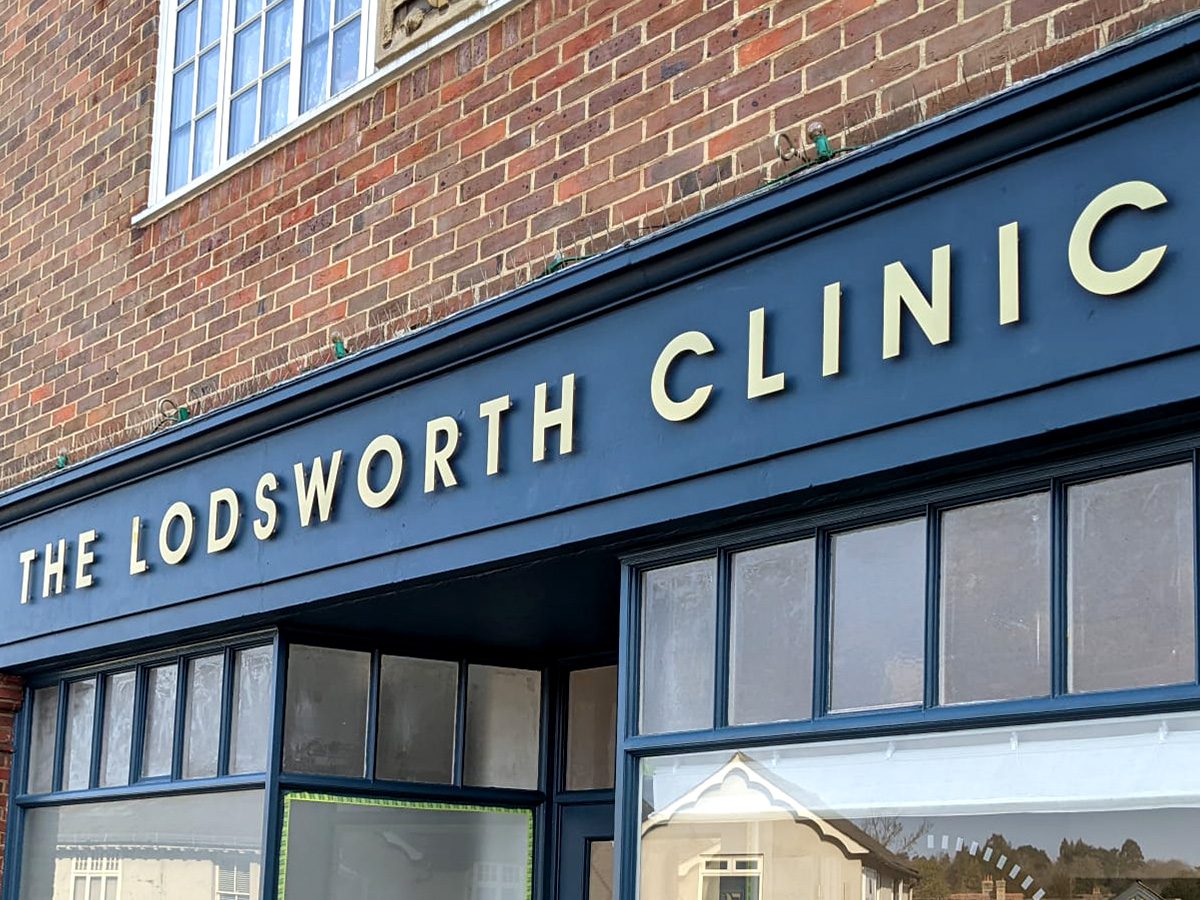
The Essential Importance of Professional Expertise for Shop Sign Letters
The visual identity of any retail establishment begins with its signage, and shop sign letters serve as the primary communication tool between businesses and potential customers. These seemingly simple elements carry enormous responsibility in conveying brand identity, attracting foot traffic, and establishing professional credibility in an increasingly competitive marketplace. Whilst the temptation to approach signage as a straightforward DIY project or budget afterthought might seem appealing, the complexity underlying effective shop sign letters demands professional expertise that encompasses design psychology, material science, installation techniques, and regulatory compliance. Understanding why expert involvement proves crucial can mean the difference between signage that transforms a business and amateur attempts that undermine commercial success.
The technical complexity of modern shop sign letters extends far beyond simply mounting characters to a surface. Professional sign makers understand the intricate relationships between typography, scale, spacing, and visibility that determine whether signage effectively communicates its message. Letter height must be calculated based on viewing distances and angles, with experts applying established formulas that account for vehicle speeds, pedestrian approaches, and architectural contexts. Kerning, the spacing between individual letters, requires precise adjustment to ensure readability whilst maintaining aesthetic appeal. These calculations become particularly critical when dealing with script fonts or custom typefaces where standard spacing rules may not apply. Professionals possess the knowledge to balance these technical requirements with creative design, ensuring that shop sign letters function effectively whilst expressing unique brand personality.
Material selection for shop sign letters represents another area where professional expertise proves invaluable. The range of available materials includes acrylic, metal, wood, foam, and composite options, each offering distinct advantages and limitations. Professionals understand how different materials weather over time, responding to UV exposure, temperature fluctuations, moisture, and atmospheric pollution common in urban environments. They recognise that coastal locations require materials resistant to salt corrosion, whilst areas with extreme temperature variations demand materials that can expand and contract without cracking or warping. The choice between flat-cut letters, fabricated dimensional letters, or channel letters with internal illumination depends on factors including budget, desired aesthetic, local regulations, and practical maintenance considerations that experts can properly evaluate and explain.
The design process for effective shop sign letters requires understanding of both artistic principles and commercial psychology. Professional designers know how colour theory influences perception and emotion, selecting combinations that enhance brand recognition whilst ensuring sufficient contrast for readability. They understand that certain colours may appear different under various lighting conditions, accounting for how shop sign letters will look during daylight, under street lighting, and in varying weather conditions. Font selection goes beyond personal preference to consider factors including brand personality, target demographic expectations, and practical legibility requirements. Experts recognise that decorative fonts might suit boutique establishments but could prove inappropriate for professional services, whilst sans-serif options offer clarity but might lack personality for creative businesses.
Structural engineering considerations often surprise those who view shop sign letters as simple decorative elements. Professional installers understand load calculations, determining how much weight building facades can safely support and how wind loading affects different letter styles and mounting methods. They recognise that large dimensional letters create significant leverage forces that require robust mounting systems, particularly in exposed locations subject to strong winds. The substrate material of the building facade, whether brick, render, metal cladding, or glass, determines appropriate fixing methods and mounting hardware. Professionals possess the expertise to identify structural elements behind facades, ensuring that fixings anchor into solid material rather than just surface cladding that might fail under load.
Illumination technology has transformed shop sign letters from static displays into dynamic marketing tools that work around the clock. Professionals understand the various illumination options including front-lighting, back-lighting, and internal illumination through LED technology. They can calculate appropriate light levels that ensure visibility without creating glare or light pollution that might violate local regulations or irritate neighbours. The selection of LED colours, whether warm or cool white, or programmable colour-changing systems, requires understanding of how different light temperatures affect material appearance and brand perception. Experts also consider energy efficiency, maintenance access, and the integration of lighting controls that might include timers, sensors, or smart building systems.
Planning regulations and legal compliance represent critical areas where professional expertise prevents costly mistakes and legal complications. Shop sign letters must comply with numerous regulations including planning permissions, building regulations, advertising standards, and potentially conservation area restrictions or listed building requirements. Professionals understand these complex regulatory frameworks, knowing when planning applications are required, what documentation must be submitted, and how to navigate approval processes efficiently. They recognise that regulations vary between local authorities and can identify potential issues before they become problems. This expertise proves particularly valuable in conservation areas or on listed buildings where inappropriate signage could result in enforcement action, forced removal, and significant fines.
The installation process for shop sign letters demands specialised equipment, techniques, and safety protocols that professionals routinely employ but that prove challenging and dangerous for amateurs. Working at height requires proper access equipment, from scaffolding to cherry pickers, along with appropriate safety training and insurance. Professionals understand how to drill into different materials without causing cracks or damage, using appropriate drill bits, speeds, and techniques for each substrate. They possess specialised tools for ensuring perfect alignment and spacing, recognising that even minor deviations become glaringly obvious once installation is complete. Weather conditions affect installation timing and methods, with professionals understanding when conditions are unsuitable and how to protect both workers and materials during installation.
Durability and maintenance considerations significantly impact the long-term success and cost-effectiveness of shop sign letters. Professional fabricators understand how different manufacturing techniques affect longevity, from the importance of proper edge sealing on acrylic letters to prevent moisture ingress, to the selection of appropriate paint systems for metal letters that prevent corrosion. They specify mounting systems that allow for thermal movement whilst maintaining security, preventing the stress fractures that often result from amateur installations. Professionals can advise on maintenance schedules and procedures that extend signage life, potentially including protective coatings, cleaning recommendations, and inspection protocols that identify issues before they require expensive repairs.
Brand consistency across multiple locations presents unique challenges that professional signage experts routinely address. When businesses operate from multiple premises, maintaining consistent shop sign letters becomes crucial for brand recognition and professional appearance. Experts understand how to adapt standard designs to different architectural contexts whilst maintaining brand integrity. They can specify materials and fabrication methods that ensure colour consistency across different batches and locations, accounting for variations in manufacturing processes and material supplies. This expertise extends to creating comprehensive brand guidelines that document specifications for future signage needs, ensuring consistency as businesses expand or relocate.
The psychological impact of professionally executed shop sign letters on customer perception cannot be underestimated. Research consistently demonstrates that consumers make rapid judgements about business quality based on external appearance, with signage playing a crucial role in these assessments. Professional signage suggests attention to detail, financial stability, and commitment to quality that extends to products or services offered. Conversely, amateur or deteriorating signage implies negligence, financial constraints, or lack of professionalism that deters potential customers. Experts understand these psychological factors, designing and installing shop sign letters that project appropriate messages about business values and quality standards.
Cost-benefit analysis reveals that professional expertise in shop sign letters represents investment rather than expense. Whilst initial costs for professional design and installation exceed DIY approaches, the long-term benefits include increased durability, reduced maintenance costs, improved effectiveness, and avoided regulatory issues. Professional signage typically lasts significantly longer than amateur attempts, providing better return on investment when calculated over the signage lifetime. The increased foot traffic and sales generated by effective professional signage often recover initial costs within months, whilst amateur signage might actually deter customers and damage business reputation.
Technological advancement continues to expand possibilities for shop sign letters, with professionals staying current with innovations that amateurs might not even know exist. Digital fabrication techniques enable intricate designs and precise reproduction that would prove impossible with traditional methods. Smart materials that change appearance based on viewing angle or lighting conditions offer unique branding opportunities. Integration with digital displays allows hybrid solutions combining permanent letters with changeable content. Professionals understand these technologies, their applications, limitations, and how to integrate them effectively into comprehensive signage solutions.
Environmental considerations increasingly influence shop sign letters specifications, with professionals understanding sustainable options and their implications. Recyclable materials, energy-efficient illumination, and responsible disposal of old signage require knowledge of environmental regulations and available technologies. Some materials offer superior environmental credentials whilst maintaining performance, but identifying these options requires professional expertise. Experts can advise on achieving environmental objectives whilst maintaining effectiveness and compliance with other requirements.
In conclusion, the creation and installation of effective shop sign letters demands professional expertise that spans multiple disciplines from design and engineering to regulation and psychology. The false economy of amateur approaches risks not only poor aesthetic results but also safety hazards, legal complications, and damaged business reputation that far exceed any initial savings. Professional involvement ensures that shop sign letters fulfil their crucial role in attracting customers, building brand recognition, and establishing business credibility. As competition intensifies and consumer expectations rise, the importance of professional expertise in creating impactful, compliant, and durable shop sign letters becomes not just advisable but essential for business success. The investment in professional services returns dividends through increased visibility, enhanced reputation, and the peace of mind that comes from knowing this crucial aspect of business presentation has been properly addressed.
Get in Touch:
Surrey Shop Signs
By Appointment Only, Cheam Rd, Ewell, Epsom KT17 1SP
0800 612 6155
surreyshopsigns.co.uk