
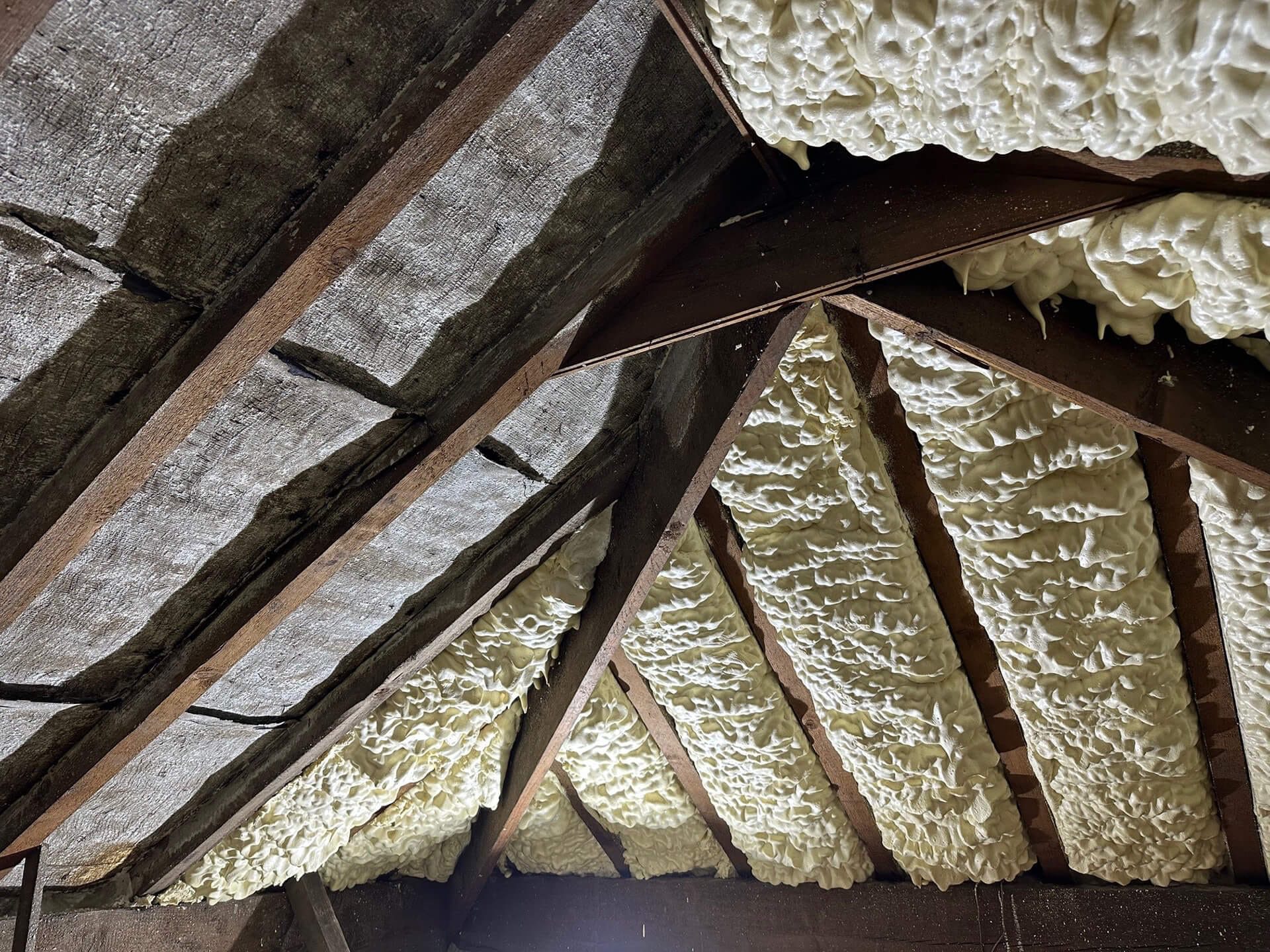
Navigating the Financial Aspects of Spray Foam Insulation Removal
Over the years, the world of insulation has changed a lot. Spray foam insulation has become more popular because it is very energy efficient. But, like all materials, it can sometimes stop working or cause problems that require it to be removed. It’s important for both homeowners and property managers to know how much it will cost to remove spray foam insulation. This page goes into detail on the different things that can affect these expenses, the problems that might come up during removal, and the best way to go about it.
First of all, spray foam insulation is a kind of insulation made of polyurethane foam. When this material is put on, it expands to fill in gaps and cracks, which helps keep heat in and air out. However, if the foam has broken down, been damaged, or just has to be replaced because of repairs, it must be taken out. One possible danger of old spray foam insulation is that it could have mould in it. This is because if it is not installed correctly or is damaged, it could hold moisture, which would make the air within less healthy.
There are a lot of things to think about when figuring out how much it will cost to remove spray foam insulation. The first step in the removal process is a very important one. It usually requires an expert specialist to look at the degree of the insulation problem and the problems it has caused in the property. This evaluation could affect the total cost, which shows how important it is to work with a professional who can give you a clear picture of what has to be done. It’s important to keep in mind that things like serious contamination or structural problems could make removal expenses go up a lot.
The cost of labour is another big part of the total cost of removing spray foam insulation. Removing things can be very hard work. Professionals usually use special tools to carefully remove the foam, especially if it has stuck to the materials underneath it. The cost of labour is directly affected by this equipment and knowledge. The price will also depend on how complicated the job is. Companies may charge more if the insulation covers hard-to-reach regions or if they need to remove layers of insulation from more than one surface. This is because it takes more time and effort.
The kind of property is also very important in figuring out how much it will cost to remove spray foam insulation. Some structures have their own distinctive features, and some of these features could make the job more complicated. For example, residential buildings are usually easier to get to than commercial ones, which may have complicated layouts or be subject to building codes. Costs can also change based on the type and condition of the material under the foam. If the surface behind the insulation is damaged, for example, repairs may be needed, which would add to the project’s costs.
The cost of removing insulation should include the cost of getting rid of the insulation. Some kinds of spray foam insulation are dangerous trash because of the chemicals that make them up. Because of this, special disposal methods must be used, which may cost more. The use of eco-friendly disposal methods, such as recycling when possible, may also affect prices based on local laws and the availability of services.
The location of the property can also affect the cost of removing spray foam insulation, depending on where it is. Prices may be higher in cities than in rural areas since the cost of living is higher and wages are higher. Cities also have a lot of logistical problems when it comes to access and disposal. Also, the availability of services can vary from one area to another because not all areas have a range of contractors that can remove spray foam insulation.
The time of year is another thing to think about. There may be a lot of demand for insulation contractors at certain times of the year, especially in the summer when many homeowners are working on renovations. Because of this higher demand, prices for removal services may go up. On the other hand, you might be able to get lower rates if the job is scheduled for the off-peak season.
Another important part of the overall expenditures is the necessity for further remediation or insulation following the removal process. After the spray foam is taken away, homeowners may need to add fresh insulation to keep the property comfortable and energy-efficient. This step can add a lot to the cost. You need to include the cost of installation in your final budget, whether you use classic insulating materials or innovative spray foam. Homeowners should be ready for this to happen and think about whether to do improvements at the same time, which can also change expenses and timetables.
Also, as people learn more about indoor air quality and the health dangers of bad insulation, homeowners may need to pay for air quality testing and remediation services following removal, especially if mould or poisonous chemicals were found. These services may cost more, but they are typically necessary to make sure the living space is safe after the evacuation. A complete strategy to removing insulation includes not just getting rid of the spray foam itself, but also making sure that the area is as safe and healthy as possible thereafter.
In the end, spray foam insulation removal costs may appear high at first, but homeowners can manage their budgets much better if they understand all the aspects that affect the costs. When you work with professionals that provide you clear rates and breakdowns of their services, it will be easier to organise your finances and set realistic expectations.
To sum up, removing spray foam insulation is a process that needs to be thought about carefully and with an understanding of the many costs involved. Homeowners should think about the pros and cons of removing things and the possible problems that could come up, making sure they take care of their homes in a timely manner. It is very important to have a proper assessment and professional advice so that you can make smart choices that keep your living areas safe.