
Lock Security in Rental Properties: A Practical Guide for UK Landlords
Lock security is one of the most overlooked areas of rental property management. Landlords spend considerable time on EPC ratings, gas safety certificates, and deposit protection — all essential — but the physical security of the door locks rarely gets the same attention, despite being one of the most common sources of tenant complaints and one of the clearest indicators of a well-managed property.
The legal picture
Landlords in England have a legal obligation to provide accommodation that is fit for habitation under the Homes (Fitness for Human Habitation) Act 2018. While the Act doesn’t specify lock standards explicitly, a property with inadequate security — locks that don’t function properly, or doors that can be easily forced — could be argued to fall below the fitness threshold.
More directly, most buy-to-let insurance policies specify minimum lock requirements. The most commonly cited standard is BS3621 for external doors, though some insurers now require anti-snap cylinders in areas with higher burglary rates. A claim rejected because the locks didn’t meet policy requirements is a painful and entirely avoidable outcome.
Change of tenancy: the most overlooked security risk
The single biggest security risk in a rental property is the gap between one tenancy and the next — not because of anything the outgoing tenant does, but because of the uncertainty around how many key copies exist.
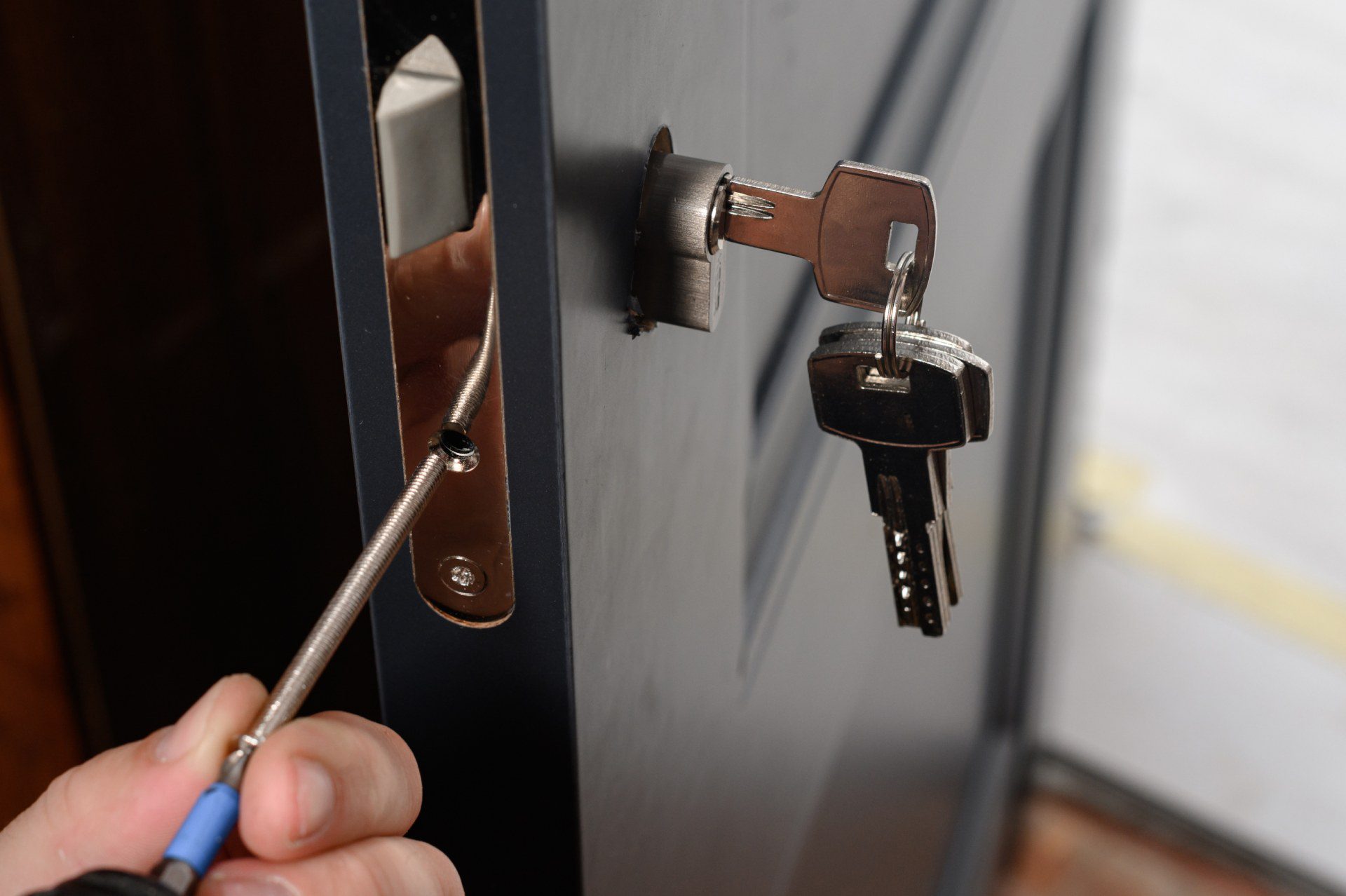
A tenant who has lived in a property for three years may have given keys to a partner, a friend, a dog walker, a cleaner, or a family member who once stayed for a week. Even with the best intentions, not all of those keys will be returned when the tenancy ends. The only reliable solution is to change the locks between tenancies — not as a reflection on the tenant, but as standard practice.
The cost of changing a lock is modest — typically between £80 and £150 depending on the lock type and location. Compared to the liability of a break-in facilitated by an outstanding key, it’s a straightforward calculation.
What locks should be on a rental property?
For most external doors, a BS3621 five-lever mortice deadlock on the main locking point is the standard minimum for insurance compliance. On uPVC or composite doors with multi-point locking systems, ensuring the cylinder meets TS007 3-star anti-snap standards is increasingly important — cylinder snapping remains a common method of entry in UK burglaries.
Night latches (Yale-type locks) on their own are not sufficient as the sole security on an external door, but are a useful secondary lock alongside a mortice deadlock on timber doors.
For flats within a building, it’s worth checking that the communal entrance also meets an adequate standard — a highly secure flat door is less useful if the building entrance is easily bypassed.
Tenants changing locks: what landlords need to know
Tenants sometimes change locks without notifying their landlord — often after a relationship breakdown or because they have concerns about who has keys. Most tenancy agreements require the landlord’s permission before changing locks, but this is an area where landlords are generally advised to be cooperative: refusing a tenant’s reasonable request to improve their own security is not a strong position to be in.
The practical answer is a clear policy from the outset — tenants may change locks with permission, must provide the landlord with a spare key, and should use a locksmith who fits appropriate BS-rated locks. This protects the tenant, the landlord, and the insurance position simultaneously.
For landlords who need a reliable locksmith for lock changes, emergency access, and security upgrades across rental properties in South West London, SW Locksmith offers a 24/7 lockout and lock change service with no call-out fee and clear pricing.
Practical steps for landlords
Change the locks between every tenancy as standard practice. Check that all external locks meet your insurance policy’s stated requirements. Ensure any communal entrance hardware is maintained. If your properties are in higher-risk areas, consider upgrading cylinders to anti-snap models. And keep a record of what locks are fitted where — useful for insurance purposes and for briefing a locksmith quickly if something goes wrong.
Security is one of the fundamentals of a well-managed rental property. Getting it right costs relatively little. Getting it wrong can be very expensive.