
Preserving Heritage and Enhancing Comfort: The Modern Evolution of Architectural Glazing
The architectural heritage of the United Kingdom is celebrated worldwide for its character, craftsmanship, and historic elegance. Across towns, historic cities, and rural countryside estates, millions of residential dwellings and commercial premises feature original timber-framed windows, stone mullions, and graceful sash casements that tell a story of bygone eras. Yet, living or working inside these traditional buildings frequently presents tangible everyday challenges. Single-glazed windows, while visually captivating, offer negligible resistance to modern environmental pressures. Draughts chill interior rooms, expensive central heating escapes unchecked through microscopic gaps, and ambient external noise penetrates internal sanctuaries. Finding an architectural intervention that resolves these comfort dilemmas without stripping a property of its irreplaceable historic fabric is one of the most rewarding home improvement endeavours. For property owners nationwide, embracing the precision engineering of secondary glazing UK provides an exceptionally discreet, high-performance solution that harmonises vintage authenticity with 21st-century thermal and acoustic luxury.
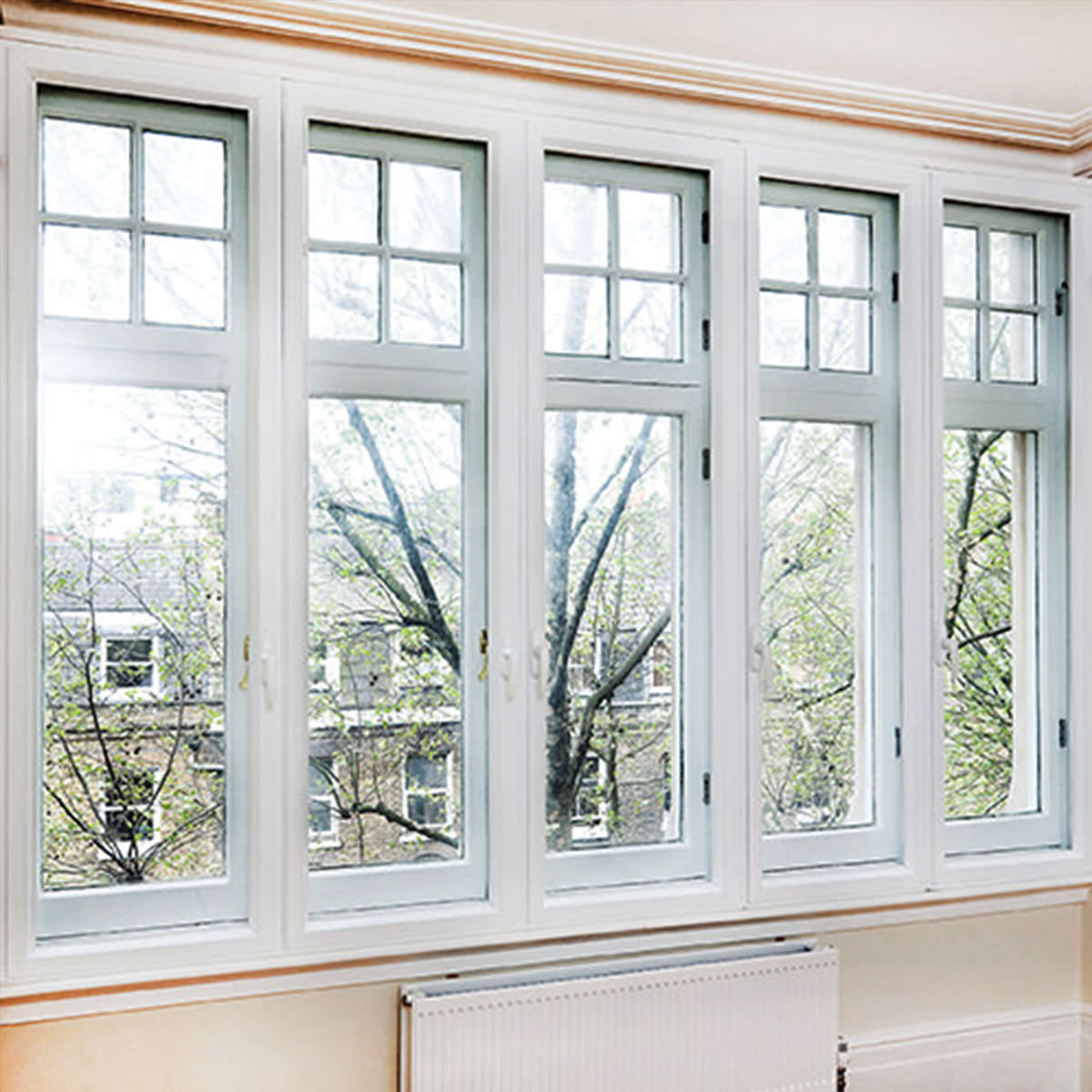
Rather than tearing away original timber frames to install bulky, modern replacement units, this sophisticated methodology works entirely in harmony with the existing structure. By positioning a bespoke, slimline internal pane just inside the primary window frame, homeowners and building managers introduce an invisible shield against the elements. This non-invasive upgrade preserves the exterior facade and decorative moulding while fundamentally transforming the internal living environment into a tranquil, energy-efficient haven.
Overcoming Heritage Constraints in Listed Buildings and Conservation Areas
A profound dilemma facing caretakers of period properties across the nation is the strict regulatory landscape surrounding historic preservation. Grade-listed structures and properties located within protected conservation zones are rightfully subject to stringent statutory oversight. Planning authorities and conservation officers regularly prohibit the removal of original windows, recognizing that altering historic joinery destroys the historic narrative and architectural value of the streetscape. Furthermore, attempting to retrofit double-glazed sealed units into fragile heritage frames often proves physically impossible or results in clunky, visually jarring sightlines that fail local heritage inspections.
This conservation dilemma is where the brilliance of bespoke secondary glazing UK truly shines. Because secondary panels are installed strictly to the interior reveals of a room, leaving the external facade and original primary frames completely unaltered, the treatment rarely requires formal listed building consent. It represents a reversible, conservation-friendly intervention that wins warm praise from heritage bodies and local planning authorities alike.
Custom fabricators engineer these secondary profiles using ultra-slimline, high-grade architectural aluminium frames that can be powder-coated to match internal paintwork and historic joinery with microscopic precision. Whether accommodating gracefully curved arches, delicate gothic points, tall Victorian bays, or slightly skewed settling lines found in centuries-old cottages, each pane is tailored to mirror the original glazing bars. When viewed from the outside of the building, the secondary installation remains virtually invisible, preserving historic character while granting occupants modern living standards.
Restoring Tranquillity through Acoustic Engineering
Modern urban and suburban environments are louder than at any point in history. Heavy vehicular traffic, rumbling arterial bypasses, screeching rail lines, flight paths, and vibrant nightlife constantly broadcast sound waves into surrounding neighbourhoods. Ordinary single glazing vibrates easily in response to these pressure waves, behaving essentially like an acoustic drum that amplifies disturbance into bedrooms, home offices, and living spaces. Persistent background disturbance is widely recognized as a major disruptor of deep, restorative sleep, emotional tranquility, and working productivity.
Installing high-performance secondary glazing UK delivers sound reduction capabilities that frequently exceed the acoustic performance of conventional double glazing. The acoustic secret lies in the physical separation established between the panes. Standard sealed double-glazed units feature a narrow cavity of twelve to twenty millimetres, which does little to dampen low-frequency traffic rumble. In contrast, an expertly engineered secondary setup establishes a generous air cavity, often between one hundred and two hundred millimetres, between the original exterior window and the new internal pane.
This deep air cushion, especially when paired with specialized acoustic laminate glass, acts as a formidable sound-dampening chamber. Acoustic laminate glass features a transparent polyvinyl interlayer specifically formulated to absorb and scatter vibrational energy. By pairing differing glass thicknesses and breaking the sound wave across a broad air gap, internal sound levels can plummet by up to eighty percent. What was once a noisy room exposed to continuous traffic commotion becomes a peaceful, serene sanctuary of quiet reflection where conversation flows naturally and uninterrupted rest is guaranteed.
Slashing Heat Loss and Elevating Thermal Performance
In an era characterised by volatile energy costs and a collective drive towards environmental sustainability, improving the thermal efficiency of the British building stock is a matter of urgent priority. Traditional single-glazed windows are notorious energy drains, responsible for up to twenty percent of an uninsulated property’s total heat loss. Cold radiant draughts pooling across window sills compel occupants to run central heating systems continuously at maximum output, burning through fuel reserves and driving utility expenditures unnecessarily high.
Investing in tailored secondary glazing UK introduces a thermal buffer zone that fundamentally halts conduction and convection heat loss. Air is an exceptionally poor conductor of thermal energy. By sealing the internal perimeter with high-specification compression brush seals and thermal gaskets, the trapped layer of air between the exterior window and the secondary screen acts as an invisible insulating blanket. Warmth generated by radiators or underfloor heating remains safely trapped inside the living space, while chilly outdoor air is firmly prevented from penetrating the envelope.
The economic and ecological rewards of this improved thermal envelope are felt immediately. Occupants enjoy balanced, even ambient temperatures without chilly cold spots near windows, allowing thermostats to be dialled down comfortably without sacrificing warmth. Reduced energy consumption immediately lowers household utility bills and trims the building’s operational carbon footprint. Furthermore, by elevating the internal surface temperature of the interior glass pane, secondary systems dramatically curb the formation of unsightly winter condensation, protecting internal timber sills, plasterwork, and curtains from dampness and mould.
Enhancing Commercial Workplaces and Institutional Facilities
The benefits of internal glazing extend far beyond private domestic residences; they provide transformative value across sprawling commercial, educational, and hospitality estates. Managing historic hotels, traditional university colleges, city-centre office blocks, and council chambers requires creating productive, comfortable spaces for guests, pupils, and working professionals, often within complex architectural frameworks where window replacement is financially or logistically unthinkable.
Deploying secondary glazing UK across commercial environments yields immense structural and operational efficiencies. In bustling office buildings facing major urban thoroughfares, the sudden reduction in road rumble fosters an atmosphere of deep concentration and professional calm. In boutique heritage hotels, transforming draughty, noisy street-facing suites into silent, cosy sanctuaries immediately elevates guest satisfaction ratings and repeat bookings.
Moreover, the installation process can be conducted with remarkable swiftness and minimal operational downtime. Because the work occurs entirely within the interior reveals without the need for exterior scaffolding, cherry pickers, or road closure permits, commercial facilities can maintain daily trading operations uninterrupted. Tailored access arrangements, including vertical sliding sashes, horizontal sliders, and hinged casements, ensure that facility maintenance crews retain unhindered access for ventilation and regular cleaning of original external glass.
Upgrading Physical Security and Structural Resilience
Window openings naturally represent the most vulnerable perimeter points in any domestic or commercial property. Traditional single-glazed windows, often fastened by simple antique brass latches, present minimal resistance against determined intruders, leaving occupants exposed to opportunistic security breaches.
A bespoke secondary system acts as a powerful secondary physical barrier that substantially bolsters building security. The installation of a robust aluminium frame, securely anchored into the structural masonry or timber surround, introduces an auxiliary line of defence that cannot be operated or compromised from the exterior. Even if an external single pane is broken, an intruder is confronted by a separate, locked secondary barrier that requires specialized effort to breach.
When paired with toughened safety glass or multi-layered security laminates, the internal pane will resist severe mechanical impact without shattering. This extra layer of physical resilience delivers profound peace of mind for families, business owners, and art collectors housing valuable personal treasures. Knowing that your home or premises is shielded by an engineered security layer allows you to rest easy, whether relaxing in the evening or leaving the property unattended during extended holiday travels.
Crafting a Sustainable, Enduring Future for British Architecture
Caring for our built environment requires vision, care, and respectful innovation. Demolishing original timber sashes and replacing them with modern, plastic-framed units not only erodes the unique architectural character of British towns, but it also creates vast quantities of non-recyclable landfill waste and expends massive amounts of embodied carbon. True architectural stewardship lies in celebrating and extending the lifespan of original structures through thoughtful, minimally invasive upgrades.
Opting for professional secondary glazing UK embodies this forward-thinking philosophy of respectful preservation. It proves that property owners never need to choose between historic charm and contemporary comfort. By pairing timeless British joinery with modern acoustic engineering, high-performance thermal insulation, and discrete structural resilience, you future-proof your property for generations to come. The result is a luminous, peaceful, and warm indoor environment that honours the beauty of the past while embracing the efficiency and comfort of the future.
Get in Touch:
Invision Secondary Glazing
75 Storforth Lane Trading Estate, Hasland, Chesterfield S41 0QZ
01246 942286
invisionglazing.com