
Designing Resilience: How Thoughtful Emergency Repairs Protect London Homes
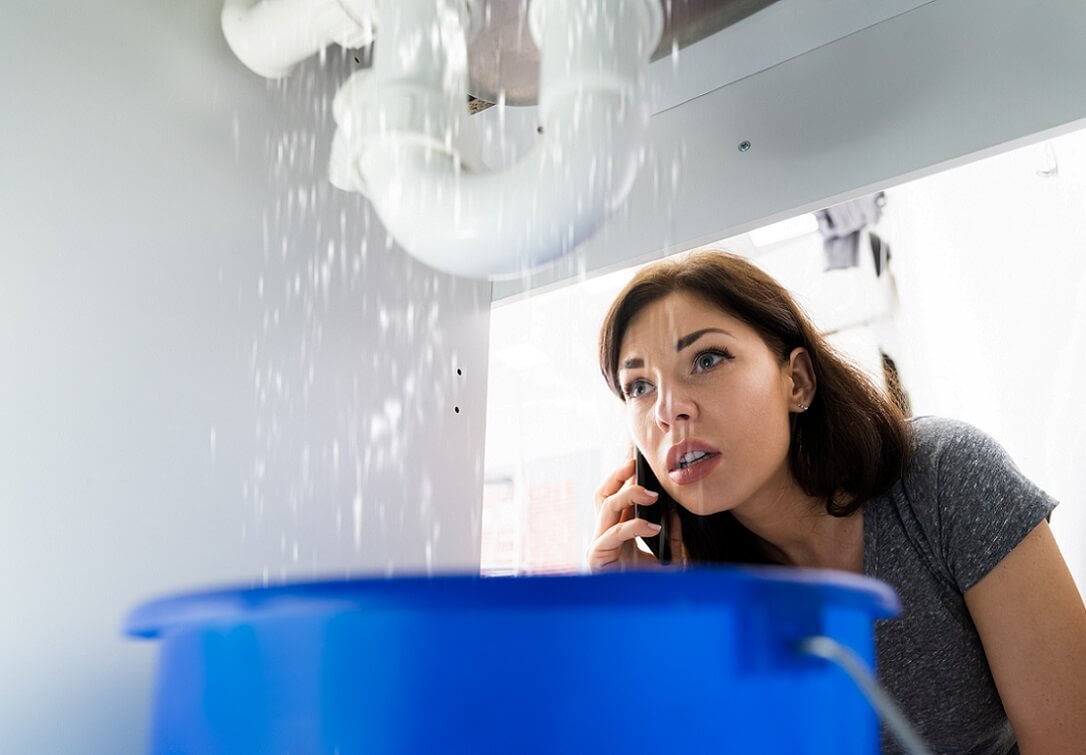
When a burst pipe floods a kitchen at midnight or an electrical fault plunges a flat into darkness, the immediate priority is stopping the damage and restoring safety. Yet the choices made in those first moments can shape how smoothly the repair unfolds and how confidently the household moves forward. For Londoners living in period homes, modern flats or converted lofts, the difference between a reactive scramble and a measured response often comes down to preparation rather than luck.
Emergency repairs are sometimes seen as unavoidable disruptions, but with the right approach they can become part of a broader strategy for protecting property and wellbeing. A well-chosen 24 hour plumber and electrician London service doesn’t just fix the immediate issue; it offers clear communication, transparent pricing and practical advice that helps residents feel more in control. This matters especially in a city where homes vary widely in age, layout and plumbing systems, from Victorian terraces to 1960s mansion blocks.
Understanding how emergency services operate—and what to expect when calling one—can reduce the stress that often accompanies urgent repairs. Many London households discover that the same qualities that make a repair company reliable—such as rapid response, clear explanations and follow-up support—also make the process less disruptive to daily life. Whether the problem is a leaking pipe in a Marylebone flat or a tripping fuse in a Fulham café, the principles of good emergency care remain consistent.
Why Emergency Repairs Need More Than Just a Quick Fix
At first glance, emergency repairs may appear to be about speed above all else. Yet the most effective interventions do more than stop the leak or restore power; they help prevent the same problem from recurring. In a city where space is at a premium and access to properties can be challenging, the ability to diagnose the root cause of a fault is just as important as the repair itself.
For example, a blocked drain in a Notting Hill mews house might seem straightforward, but if the blockage stems from outdated pipework or poor maintenance history, a simple unblocking could be a temporary solution. A thoughtful emergency service will identify these underlying issues and discuss longer-term options with the homeowner, balancing immediate needs with future-proofing. Similarly, an electrical fault in a converted warehouse in Shoreditch may require more than just replacing a fuse; it could involve upgrading wiring to meet modern safety standards.
This layered approach is particularly valuable in London’s diverse housing stock. A Georgian townhouse in Mayfair and a 1970s high-rise in Acton present very different challenges, yet both benefit from repairs that consider the building’s age, materials and usage patterns. By combining technical expertise with practical advice, emergency teams can help residents make informed decisions that save time and money in the long run.
How Transparent Communication Reduces Stress During Emergencies
One of the most overlooked aspects of emergency repairs is the role of clear communication. When a pipe bursts at 3am or a fuse box keeps tripping during a dinner party, the last thing a householder needs is uncertainty about what will happen next. A service that explains the problem in plain language, provides an estimated arrival time and sets realistic expectations can transform a stressful situation into a manageable one.
In practice, this means receiving practical safety advice over the phone while waiting for the engineer, such as how to isolate the water supply or avoid overloading circuits. It also means being given a clear price before any additional work begins, so there are no surprises when the invoice arrives. For commercial clients—whether a restaurant in Soho or a co-working space in Clerkenwell—this transparency is essential for planning repairs around business operations and minimising downtime.
This level of communication isn’t just courteous; it reflects a deeper understanding of how emergencies affect people. A parent with young children, a tenant renting a flat in Kensington or a small business owner juggling multiple responsibilities all benefit from knowing what to expect. When the process is predictable, the repair itself becomes less daunting, and the household or business can return to normal life more quickly.
What to Ask When You Call an Emergency Service
Knowing which questions to ask during an emergency call can make a significant difference to the outcome. While the specifics will vary depending on the issue, some key points apply across the board. Asking about the estimated arrival time, whether the engineer will explain the problem and how the price will be calculated helps set the right expectations from the start. For those with mobility concerns or properties with restricted access, it’s also worth enquiring about parking arrangements or alternative entry points.
For business owners, additional considerations come into play. Will the repair disrupt operations, and if so, for how long? Can the work be scheduled during quieter periods? Some services offer after-hours appointments specifically for commercial clients, which can be invaluable for minimising disruption. For landlords and managing agents, asking about documentation—such as itemised invoices or photographs—can simplify insurance claims and property maintenance records.
These questions aren’t just about gathering information; they’re about taking back a sense of control in a situation that often feels overwhelming. By clarifying the process early on, residents and business owners can focus on what matters most: keeping their property safe and their routines intact.
Preparing Your London Home for the Unexpected
While no one can predict when an emergency will strike, there are practical steps households can take to reduce the likelihood of serious problems. Simple measures, such as locating the main stopcock and knowing how to turn it off, can prevent a minor leak from becoming a major flood. Similarly, keeping a basic toolkit with a torch, gloves and a multimeter can be useful while waiting for professional help.
For older properties, regular maintenance checks can identify potential issues before they escalate. A dripping tap in a Victorian terrace or a flickering light in a 1930s semi might seem minor, but addressing them early can prevent more costly repairs down the line. Some Londoners also choose to have their electrical systems or plumbing inspected as part of a broader home survey, particularly before buying a property or renting out a flat.
These proactive steps don’t eliminate the need for emergency services, but they can reduce the frequency and severity of urgent repairs. In a city where time and space are precious, a little preparation goes a long way toward maintaining peace of mind.
When to Call for Help—And When to Wait
Not every plumbing or electrical issue requires an immediate emergency call. A slow-draining sink or a light that flickers occasionally may be annoying, but it doesn’t always constitute an emergency. Knowing when to call for help—and when to wait—can save both time and money.
For plumbing problems, a good rule of thumb is to call if there’s active water damage, such as a burst pipe or a ceiling leak, or if the issue poses a health or safety risk, like a blocked toilet in a single-bathroom flat. For electrical faults, repeated tripping of the fuse box, burning smells or exposed wiring are clear signs that professional help is needed without delay. In contrast, minor issues like a dripping tap or a single flickering light can often wait until normal working hours.
This distinction is particularly important for Londoners juggling busy schedules. Calling an emergency service for a non-urgent issue can lead to unnecessary costs and longer wait times for those who genuinely need immediate assistance. By understanding the difference between a true emergency and a manageable inconvenience, households can use emergency services more effectively and avoid unnecessary stress.
Building a Relationship with a Reliable Emergency Service
For many Londoners, the first time they call an emergency plumber or electrician is during a stressful situation. Yet those who build a relationship with a trusted service provider often find that subsequent emergencies feel less daunting. Knowing that the same team will arrive promptly, communicate clearly and provide consistent quality of work fosters confidence in the process.
This is especially valuable for commercial clients, such as café owners in Covent Garden or boutique hotel managers in Belgravia, who need to rely on the same service provider for multiple locations. A company that understands the nuances of different properties—whether a listed building in Kensington or a modern office in the City—can tailor its approach to suit each client’s needs. Over time, this familiarity translates into faster response times, more accurate diagnostics and smoother repairs.
For residential clients, the benefits are equally significant. A landlord managing several flats in Maida Vale or a homeowner in a period conversion in Hampstead can rest assured that the same service will handle each emergency consistently. This continuity reduces the need to explain property details repeatedly and ensures that repairs are carried out to a familiar standard.
Making Emergency Repairs Part of a Broader Strategy
The most resilient London households and businesses don’t treat emergency repairs as isolated incidents; they integrate them into a broader strategy for property care. This might include scheduling regular maintenance checks, keeping a list of trusted service providers or even investing in small upgrades that reduce the risk of future emergencies.
For example, upgrading old pipework in a 1950s maisonette or installing a modern consumer unit in a converted warehouse can prevent emergencies before they occur. Similarly, installing a water leak detector or a smart electrical monitor can provide early warnings of potential issues, allowing for proactive repairs. These measures require an upfront investment, but they can save significant time, money and stress in the long run.</p
Ultimately, the goal isn’t to eliminate the need for emergency repairs entirely, but to reduce their frequency and impact. By combining thoughtful preparation with reliable emergency support, Londoners can protect their properties, their wellbeing and their peace of mind—no matter what challenges arise.
In a city where space is limited and time is precious, the ability to respond calmly and confidently to an emergency is a form of resilience in itself. With the right approach, even the most stressful situations can become manageable, and the repairs that follow can be seen not just as fixes, but as steps toward a more secure and comfortable home.