
Understanding the Key Reasons for Spray Foam Removal
For many years, spray foam insulation has been touted as a cheap, long-term way to insulate homes. It lowers energy expenses, makes the home warmer, and keeps drafts out better. But even with these clear benefits, spray foam is suddenly getting more and more attention. People who own homes, invest in property, assess properties, and lend money for mortgages are all worried about the possible problems and risks that can come up when spray foam insulation is used. Because of this, getting rid of spray foam has become one of the most critical things to think about while keeping a property safe, structurally sound, and financially healthy.
To understand why spray foam removal is important, you need to look past how appealing the product looks at first. It may seem like a good idea to use it to insulate lofts, rafters, and roofs at first, but the long-term effects are often worse than the short-term benefits. Spray foam problems may hurt homes in numerous ways, from structural hazards to financial limits. For many homeowners, removing the foam is a smart and often necessary step.
Concerns about the structure and the roof’s integrity
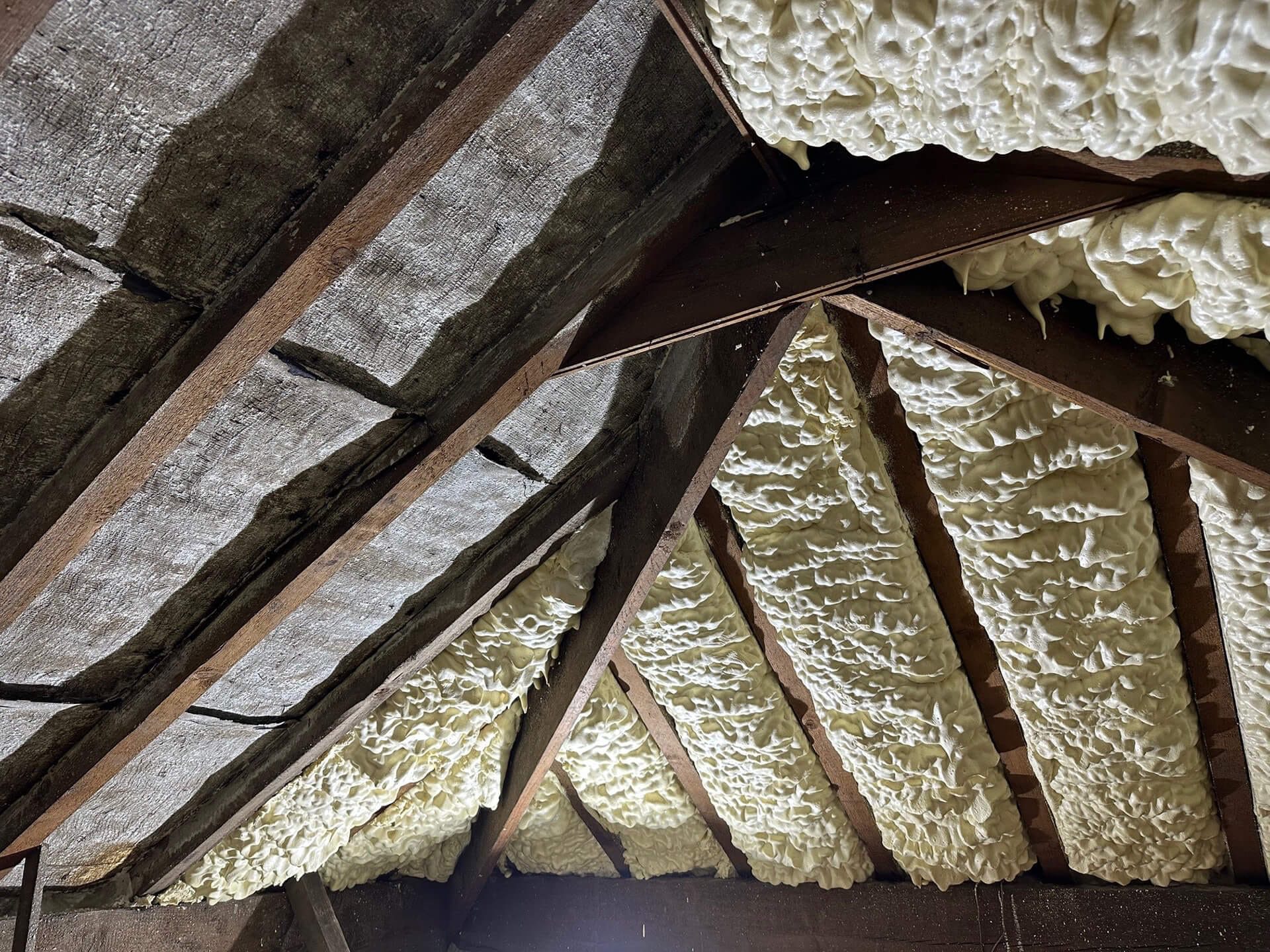
One of the key reasons to remove spray foam is that it could damage the roof structure. Spray foam is put directly on the bottom of roof tiles, slates, and rafters, and it hardens after it sets. This may seem like it makes things more stiff and more insulated, but it actually hides a lot of problems. Foam sticks strongly to other materials, which means that problems like leaks or broken tiles are hidden. Water can get in without anybody noticing for a long time, which can lead to serious, often expensive, structural damage.
The foam itself can also hold in water. To stay dry and stable, timber rafters need to be able to breathe. Spray foam blocks airflow, which keeps wood from drying up properly. Wood can get wet over time, which can cause decay and make the roof weaker. Repairs can be very expensive once this damage starts, which adds to the long-term cost of keeping the home in good shape. Removing spray foam lets the roof breathe again, which improves ventilation and stops damage from going undiscovered under a layer of insulation.
Problems with mortgages and property values
Another important reason to get rid of spray foam is that it makes it harder to get a mortgage or sell a house. A lot of banks and other lenders have strong rules against homes using spray foam insulation. Surveyors typically point it out as a red flag during value surveys since it can hide structural problems that could be dangerous. Because of this, spray foam might cause mortgage refusals or very low valuations for potential buyers, which makes them less likely to go through with the acquisition.
Spray foam insulation can be a big problem for homeowners who want to sell their homes. Removal is often the only option that makes sense because it gives lenders, buyers, and surveyors peace of mind that the property doesn’t have the hazards that come with it. Homeowners can restore both market confidence and property worth by removing spray foam. This will make sure that their home is still a good asset to sell or refinance.
Wetness and condensation
The purpose of spray foam insulation is to keep air from flowing, yet this can make things moist. Traditionally, roof areas use ventilation to cut down on condensation. When foam blocks this airflow, moisture has nowhere to go. It can build up in rafters, insulation layers, or other parts of a building, which can cause mould to grow and eventually cause the building to fall apart.
Dampness and condensation not only damage the building’s structure, but they also harm the health of the people who live there. Mould spores can make breathing problems, allergies, and other health problems worse. This is another important reason to remove spray foam: it lets air flow freely through lofts and roof spaces again, which lowers the chance of condensation and makes the air inside better.
Long-Term Effectiveness and Energy Efficiency
One of the main reasons people bought spray foam at first was because it may save energy costs by making insulation better. But over time, many homeowners have realised that the bad effects it has on their property are worse than the good effects. Spray foam insulation on roofs and lofts can cause difficulties that make any short-term benefits go away. In the long term, compromised wood, moisture problems, and less ventilation all make a property less energy-efficient.
Taking off spray foam helps start the insulating process over again. After the removal, homeowners can buy other types of insulation that are both permeable and effective without damaging the building’s structure. This improvement makes sure that energy efficiency stays high without any hidden hazards, so property owners can be comfortable that they are making a smart investment in long-lasting insulation.
Problems with insurance and maintenance
Spray foam might also make things more complicated when it comes to home insurance. Some insurance companies don’t want to cover homes with spray foam insulation because it can be dangerous in the long run. Insurance companies are hesitant because they can’t tell how the wood behind the foam is doing. In some situations, spray foam might cause policies to be denied or premiums to go up.
It also becomes hard to keep things up. It is almost tough to do regular roof inspections while everything is covered in spray foam. These inspections are important for finding problems early. Professionals can’t do complete tests because tiles, flashing, underlay, and rafters are still hidden. Removing spray foam opens up these important regions again, allowing for regular inspections and preventative maintenance, which protects the property’s integrity.
Keeping the Value of Property
Most people think their home is the most important thing they own. Anything that could harm its long-term health or financial value needs to be dealt with right away. In the past, spray foam insulation was seen as a new and desired feature. Now, it’s a problem in the real estate market. Buyers are careful, lenders often say no, and insurance may be hesitant, all of which lower demand and value. Homeowners can protect the value of their property and make it a valuable, marketable asset again by paying for spray foam removal.
Keeping Heritage Properties Safe
Spray foam is considerably more dangerous in places where there are a lot of old or character homes. Breathable materials are quite important for older homes. Foam produces an unnatural barrier that speeds up the damage to original elements like wooden frames and clay tiles. To keep historic homes in good shape, you need to use the right materials and methods for their age and style of construction. Removing spray foam is generally the first step in renovating historic buildings. This keeps them structurally stable and lets them be properly insulated using methods that respect their past.
Health and the Environment Inside
Spray foam insulation can also change the way the inside of a building feels, in addition to its structural and budgetary effects. Chemical smells or blocked off-gassing might make the air within a house less healthy if the installation wasn’t done right. This isn’t always the case, but it shows another possible incentive for homeowners to think about getting rid of spray foam. A safe and breathable home is very important, and taking out the foam brings back natural airflow and makes it easier to control ventilation.
This is especially crucial in households where people who are weak, such kids, old people, or those with breathing problems, live. Better indoor air quality after removing spray foam can make living circumstances and health outcomes better overall.
Making plans for the future
One of the last things to think about when removing spray foam is how it can help homeowners protect their homes in the future. Building codes and energy efficiency standards are continuously changing, so what worked twenty years ago might not work today. Taking it out gives you the chance to invest in modern, safer, and more eco-friendly ways to insulate. Homeowners can avoid more problems and get their property ready for modern standards by dealing with the issue now.
So, removing spray foam is not only a response to difficulties, but also a proactive step to make sure that dwellings can adapt to future needs and stay up to date with changing rules. For homeowners who want to keep their comfort and value throughout time, it is a smart and forward-thinking choice.
Final Thoughts
Spray foam insulation may have appeared like a new way to save energy at first, but its long-term effects have caused big difficulties for many households in the UK. The cons sometimes outweigh the pros, such as damage to the structure, concealed moisture problems, and financial problems with mortgages, insurance, and appraisals. So, removing spray foam is an important step in making homes safe, breathable, and financially sound again.
Property owners protect their investments, their health, and the long-term integrity of their homes by getting rid of spray foam. It opens up new possibilities for safer insulation, restores trust in the market, and makes sure that property standards are met now and in the future. Homeowners who want to protect their homes from hidden threats and financial problems should not only find spray foam removal helpful, but it is becoming more and more vital.