
Elegance in Restraint: The Timeless Design Appeal of Architectural Safety Features
The world of architecture continually evolves to meet the changing needs of modern living, yet certain design elements transcend temporal boundaries to become enduring features that enhance both aesthetic appeal and functional value. Among these cherished architectural elements, the Juliette balcony stands as a particularly elegant solution that bridges the gap between indoor and outdoor living whilst addressing the practical constraints often encountered in contemporary construction projects.
The origins of the Juliette balcony can be traced back to Mediterranean architecture, where the need to maximise light and air circulation in densely populated urban areas led to innovative design solutions that provided the illusion of outdoor space without the structural requirements of traditional balconies. This architectural feature, named after Shakespeare’s famous heroine who appeared at her balcony window, represents a sophisticated approach to creating visual interest and enhancing the connection between interior spaces and the external environment.
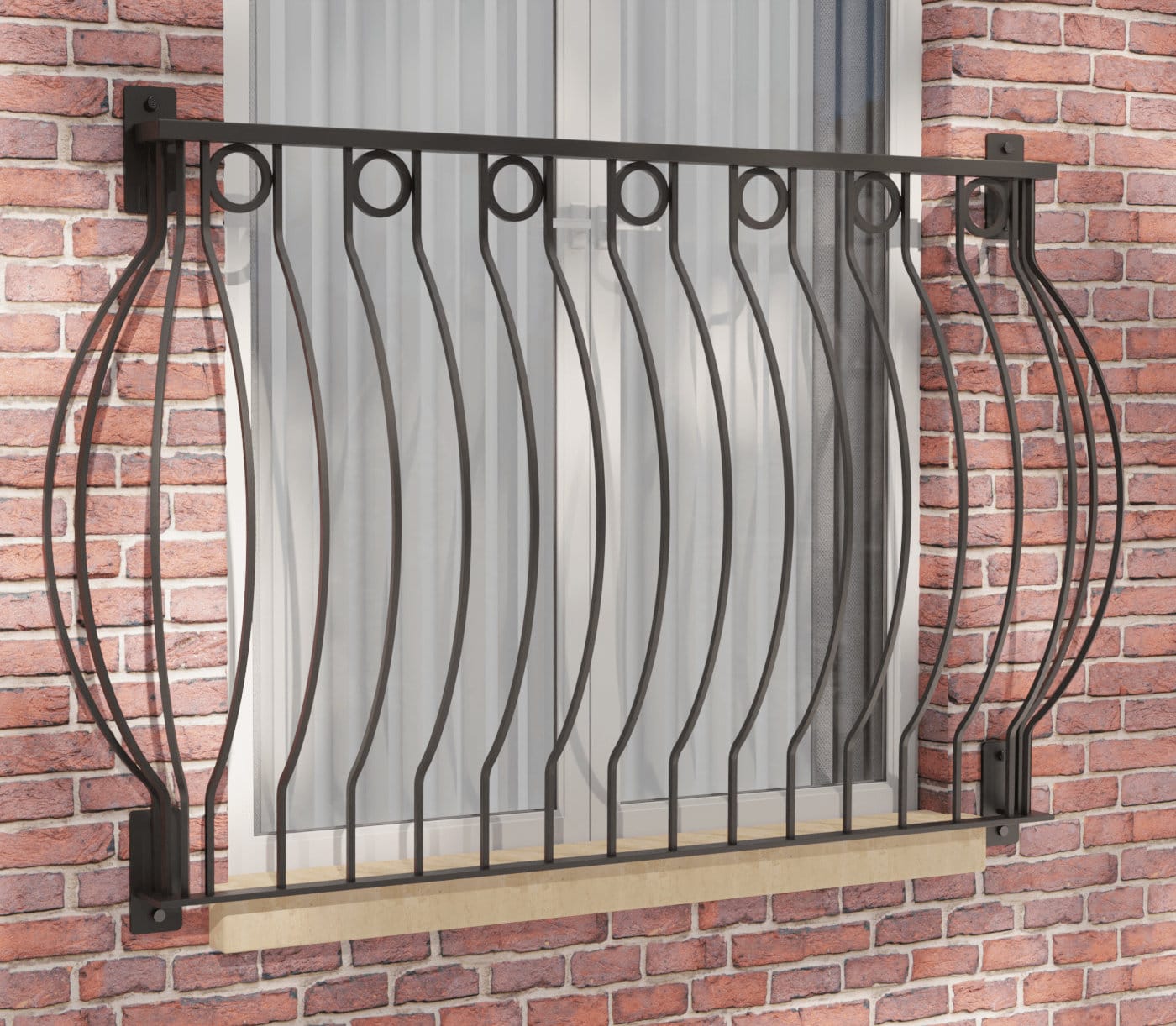
Unlike conventional balconies that project outward from the building structure and require substantial structural support, the Juliette balcony consists primarily of a protective barrier or railing that sits flush with the building’s exterior wall, typically at floor-to-ceiling window or door openings. This design approach provides the aesthetic appeal and psychological benefits of a balcony whilst minimising the structural implications and spatial requirements that traditional balconies demand.
The architectural versatility of the Juliette balcony makes it an invaluable design element for contemporary buildings where space constraints, planning restrictions, or structural limitations might preclude the installation of full-sized balconies. Urban developments, apartment complexes, and residential renovations often benefit significantly from the incorporation of Juliette balconies, which can transform ordinary window openings into striking architectural features that enhance both interior and exterior aesthetics.
From a practical standpoint, the Juliette balcony serves multiple functional purposes that extend beyond mere ornamentation. The safety barrier provides essential protection for occupants whilst enabling the installation of floor-to-ceiling glazing that maximises natural light penetration and creates stronger visual connections with outdoor spaces. This arrangement proves particularly valuable in urban environments where traditional balconies might be impractical due to space constraints or privacy concerns.
The psychological benefits associated with Juliette balconies prove surprisingly significant, as the visual connection to outdoor spaces and the ability to open large doors or windows can substantially improve the perceived spaciousness of interior rooms. The presence of a Juliette balcony creates a sense of outdoor accessibility even when actual outdoor space is minimal or non-existent, contributing to improved mental wellbeing and reduced feelings of confinement that can affect occupants of compact living spaces.
Natural light optimisation represents one of the most compelling advantages of Juliette balcony installation, as the design typically incorporates larger glazed openings than traditional window configurations. The increased glass area enables deeper light penetration into interior spaces whilst the protective barrier ensures safety without obstructing light transmission. This enhanced natural illumination can reduce dependence on artificial lighting whilst creating more vibrant and welcoming interior environments.
Ventilation improvements achieved through Juliette balcony installations contribute significantly to interior comfort and air quality. The ability to fully open large doors or windows creates excellent cross-ventilation opportunities that can substantially improve indoor air circulation, reduce humidity levels, and minimise dependence on mechanical ventilation systems. This natural ventilation capacity proves particularly valuable in bedrooms and living areas where air quality directly impacts comfort and health.
The aesthetic impact of a well-designed Juliette balcony extends to both interior and exterior architectural appearance, creating visual interest and architectural distinction that can significantly enhance property value and curb appeal. From the interior perspective, the Juliette balcony creates an elegant focal point whilst establishing strong visual connections with outdoor environments. Externally, these features add depth, shadow lines, and architectural sophistication that distinguish buildings from conventional developments.
Material selection for Juliette balconies offers extensive opportunities for customisation and architectural integration, with options ranging from traditional wrought iron and steel to contemporary glass panels and composite materials. The choice of materials and finishes enables architects and designers to ensure seamless integration with existing architectural styles whilst meeting specific performance requirements related to durability, maintenance, and weather resistance.
Planning and building regulation considerations surrounding Juliette balcony installations generally prove less complex than those associated with conventional balconies, as the reduced structural impact and minimal projection from the building envelope typically fall within permitted development rights. However, consultation with planning authorities and building control departments remains essential to ensure compliance with local regulations, particularly in conservation areas or listed buildings where specific design constraints may apply.
Installation complexity for Juliette balconies varies depending on the specific design and structural requirements, but generally proves less demanding than conventional balcony construction. The reduced structural loading and minimal projection from the building face simplify installation processes whilst reducing the need for extensive structural modifications. This simplified installation approach often translates into reduced costs and shorter construction timeframes compared to traditional balcony projects.
Maintenance requirements for Juliette balconies typically prove minimal compared to conventional balconies, as the reduced exposure to weathering and structural loading results in lower long-term maintenance demands. The simplified structural arrangement and limited exposed surfaces reduce the potential for weather-related deterioration whilst the accessible location facilitates routine cleaning and inspection activities.
Cost considerations favour Juliette balconies over conventional alternatives in most circumstances, as the reduced structural requirements, simplified installation processes, and lower material quantities typically result in substantial cost savings. These economic advantages make Juliette balconies attractive options for both new construction and renovation projects where budget constraints might preclude conventional balcony installation.
Safety features inherent in Juliette balcony design meet or exceed those provided by conventional balconies whilst eliminating many of the hazards associated with projecting outdoor spaces. The protective barrier provides fall protection whilst the flush-mounted design eliminates risks associated with structural failure or deterioration that can affect conventional balconies over time. Child safety considerations are well-addressed through appropriate barrier height and spacing specifications.
Climate considerations play important roles in Juliette balcony design and performance, with proper specification ensuring optimal function across diverse weather conditions. Wind loading, rain penetration, and thermal expansion must be carefully considered during design phases to ensure long-term performance and occupant comfort. Proper drainage design and weatherproofing details prove essential for preventing water ingress and maintaining interior environmental conditions.
Privacy aspects of Juliette balcony installations require careful consideration, particularly in dense urban environments where visual connections between properties might create privacy concerns. Strategic positioning, screening elements, and glazing specifications can address privacy requirements whilst maintaining the visual benefits and natural light advantages that make Juliette balconies attractive architectural features.
Acoustic performance considerations become particularly important for Juliette balconies facing busy streets or noisy environments, as the large glazed openings can potentially compromise sound insulation. Appropriate glazing specifications, sealing details, and barrier designs can mitigate acoustic concerns whilst maintaining the aesthetic and functional benefits that define successful Juliette balcony installations.
The adaptability of Juliette balconies to various architectural styles demonstrates their versatility as design elements that can enhance both traditional and contemporary buildings. Classical wrought iron designs complement period properties whilst minimalist glass and steel configurations suit modern architectural approaches, ensuring that Juliette balconies can integrate successfully into diverse architectural contexts.
Future maintenance and modification possibilities should be considered during initial design phases, as accessibility for cleaning, repair, and potential upgrades can significantly impact long-term satisfaction and property value. Well-designed Juliette balconies incorporate access provisions and standardised components that facilitate future maintenance whilst ensuring continued performance and aesthetic appeal throughout their service lives.
The environmental benefits of Juliette balconies include improved natural lighting that reduces artificial lighting requirements, enhanced natural ventilation that minimises mechanical system dependence, and efficient use of materials that reduces construction-related environmental impacts. These sustainability advantages align with contemporary environmental consciousness whilst providing practical benefits that improve occupant comfort and reduce operating costs.
The enduring popularity of the Juliette balcony reflects its successful combination of aesthetic appeal, practical functionality, and economic efficiency that addresses many of the challenges facing contemporary architecture whilst providing timeless design solutions that enhance both buildings and the lives of their occupants.